The Secondary Market for Fine Watchmaking: How the Universe of Coveted Pre-Owned Timepieces Works

Updated: Aug 12
If there is a sector where the concept of "pre-owned" gains the status of an investment and an absolute object of desire, it is fine watchmaking: the secondary luxury watch market turns over billions of dollars annually, driven by a unique combination of scarcity in official boutiques, timeless design, and strong financial liquidity.
At the center of this ecosystem, Rolex reigns supreme: the Swiss manufacturer alone holds around 32% of the entire global business volume for pre-owned and vintage watches: closely behind, giants of so-called Haute Horlogerie, such as Patek Philippe and Audemars Piguet, concentrate the highest average values per piece, while traditional brands like Omega and Cartier ensure high turnover and broad aesthetic appeal.
The Leading Brands in the Second-Hand Market Rolex: Absolute leader in volume and liquidity: models like the Submariner, the Datejust, and the legendary Daytona trade with extreme ease and, at many times, reach values in the parallel market substantially higher than the official retail list prices.
Patek Philippe: Represents the pinnacle of exclusivity: steel sports models, notably the Nautilus line, reach million-dollar figures in international auctions and private negotiations, operating with significant appreciation margins.
Audemars Piguet: Driven by the iconic Royal Oak designed by Gérald Genta, the brand shows one of the highest relative demands in the market, being a key piece in the collections of major investors.
Omega: Reference in stability and accessibility in the entry-level luxury segment: classic collections such as the Speedmaster Moonwatch and the Seamaster have constant liquidity among enthusiasts and new collectors.
Cartier: Experiencing a strong rise in the secondary market: lines like the Tank and Ballon Bleu attract a diverse audience seeking historical elegance, maintaining excellent value retention.
Price Behavior: From Hype to Stabilization After a historical peak of financial speculation between 2021 and early 2022, when models like the Rolex Daytona 116500LN and the Patek Philippe Nautilus 5711 were traded for up to three times their retail price, the secondary market underwent a healthy correction
Currently, the market is experiencing a phase of maturity: "Steel Sports" Models:
Continue to be the most liquid category, though with smaller and more realistic premiums relative to list prices
Gold and Platinum Pieces: Gained greater proportional stability compared to steel pieces, attracting collectors focused on long-term wealth preservation
Neovintage Models (1990s and 2000s): Are on a rapid rise, offering more classic dimensions and modern mechanics at prices that remain competitive against new models.
Authenticity and Inspection: How to Evaluate a Used Watch The high profitability of the secondary market attracts high-fidelity fakes (so-called superclones): because of this, an expert's evaluation involves meticulous criteria that go far beyond external appearance:
Box and Papers (Full Set): Watches accompanied by their original box, dated warranty certificate, manuals, and extra links are worth between 15% and 30% more than "naked" pieces (without accessories)
Serial and Reference Number: Engraved between the case lugs or on the inner dial ring (rehaut), they must match the piece's documentation exactly
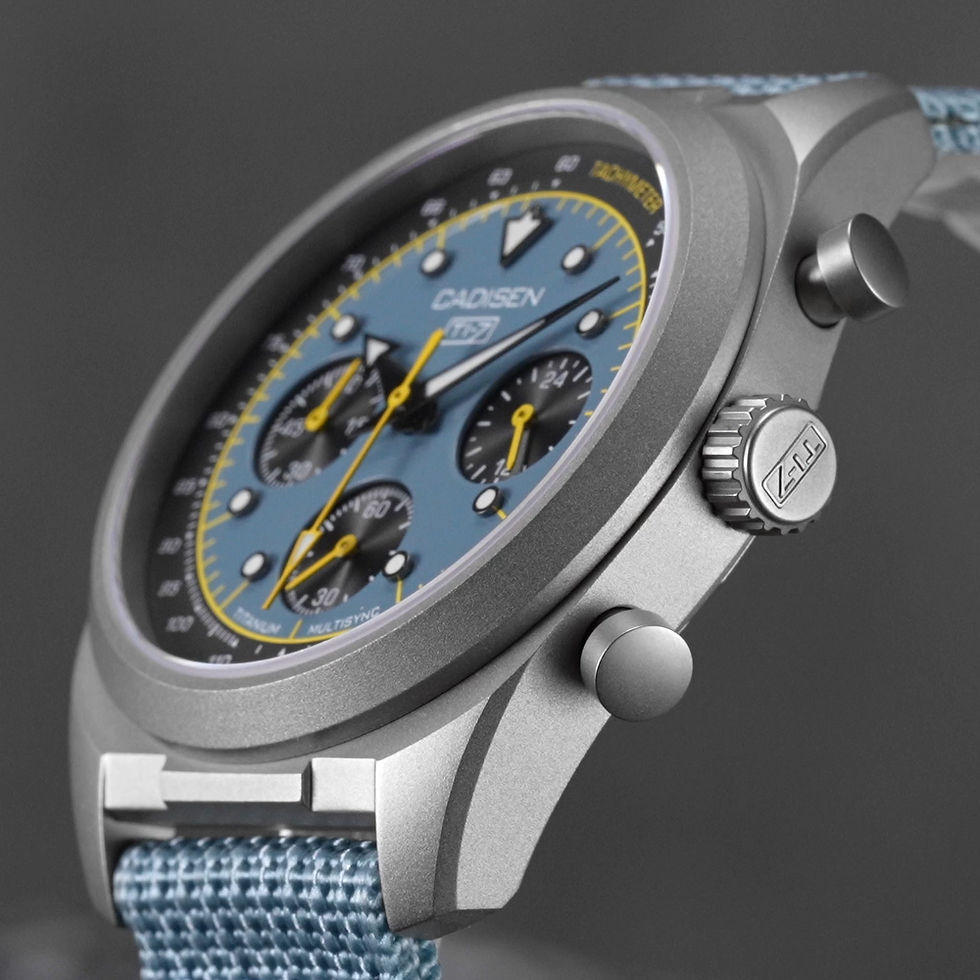
Dial and Hands Finish: Luxury brands use precious materials (such as white gold for Rolex hour markers): misaligned typography, flaws in the application of luminous material, or imperfections in printing are immediate signs of counterfeiting
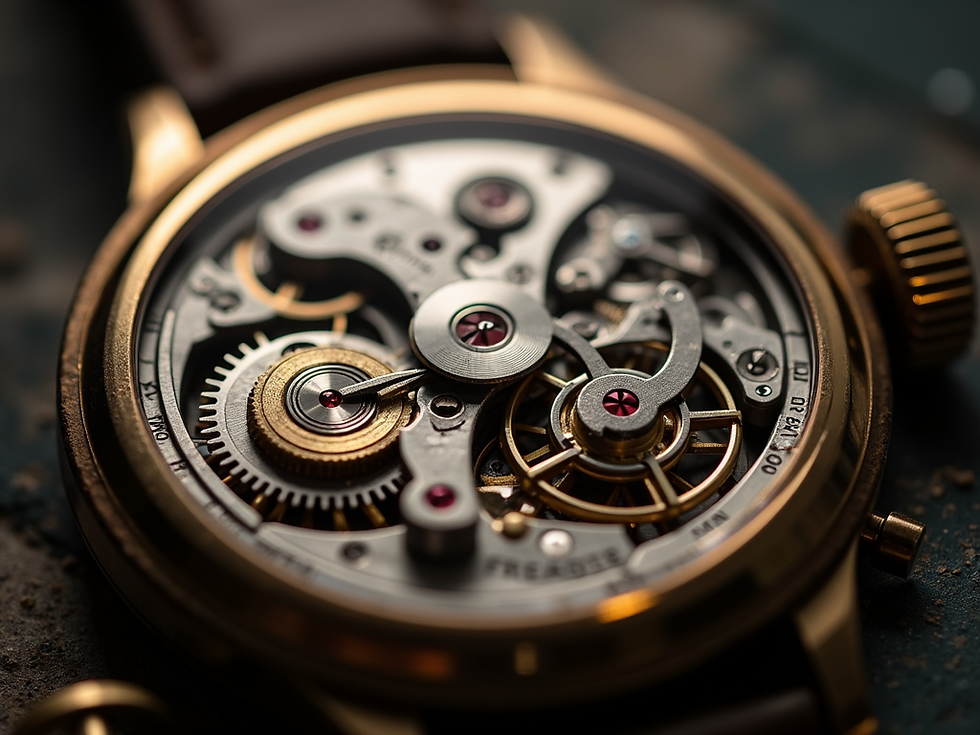
Mechanical Movement: The definitive proof requires the case to be opened by a watchmaker: details like the finish of the rotor, laser-engraved bridges, free-sprung balance wheel, and the exact oscillation frequency (measured on a timegrapher) cannot be perfectly replicated by counterfeiters
Factory Certification (CPO): The consolidation of programs like Rolex Certified Pre-Owned brought a new standard to the market: watches inspected and guaranteed directly by the manufacturer earn an official seal of authenticity and an extended factory warranty
Where to Buy and Sell: The Landscape of Platforms To safely navigate the buying and selling of pre-owned watches, collectors turn to various channels:
Global Platforms (Specialized Marketplaces) Chrono24: The largest global watch marketplace, operating with an escrow payment system where the funds are only released to the seller after delivery and inspection by the buyer
WatchBox / 1916 Company: A platform focused on direct trading and curation of top-tier pieces, featuring its own fully inspected and guaranteed inventory
Auction Houses (Sotheby's, Christie's, Phillips): Intended for rare timepieces, limited editions, and pieces with proven historical provenance

Comments