The Ultimate Watch Collector’s Buying Guide: Lessons Learned After a Decade on the Wrist

If you are stepping into the world of horology, consider this fair warning: watch collecting is a journey filled with passion, craftsmanship, and—if you aren't careful—costly mistakes.
My own passion started over a decade ago when my father handed me a gold Mido Commander. Since then, I’ve owned dozens of timepieces across every category—at one point holding over ten pieces in my rotation. Today, I maintain a leaner, strategic collection. But getting here required learning several lessons the hard way.
Whether you are shopping for your first timepiece or evaluating a pre-owned vintage find online, here is the essential guide every collector needs before spending a single dollar.
1. Avoid Fashion Watches Like the Plague
The biggest trap for beginners is buying timepieces from fashion houses—think Tommy Hilfiger, Emporio Armani, or Michael Kors.
With few exceptions, these brands do not design or manufacture timepieces. Instead, they license their logo to be printed on generic, mass-produced quartz movements made in cheap factories, marking up the retail price by 10x to 100x.
Poor Finishing: The cases show sub-par polishing and wear down quickly.
Disposable Calibres: Cheap quartz engines inside cannot be serviced—once they break, the watch goes into the trash.
No Legacy: A fashion watch will never become an heirloom you pass down to the next generation.
2. Buy Vintage Heritage Over Cheap New Watches
Instead of spending $300 to $500 on a brand-new, low-quality piece, consider looking at the pre-owned and vintage market.
Traditional horological houses like Omega, Longines, Tissot, Mido, and Eterna have built incredible, robust mechanical watches over the decades. You can easily find a vintage mechanical Omega or Longines in great condition for a reasonable price, offering far more charm, history, and real value.
Serviceability: Unlike quartz fashion pieces, quality vintage mechanical movements can be serviced, regulated, and kept running accurately for decades by any skilled watchmaker.
Character: Patina, classic proportions, and historical significance give vintage timepieces a soul that mass-produced entry-level pieces simply lack.
3. Say No to Generic Homage Brands
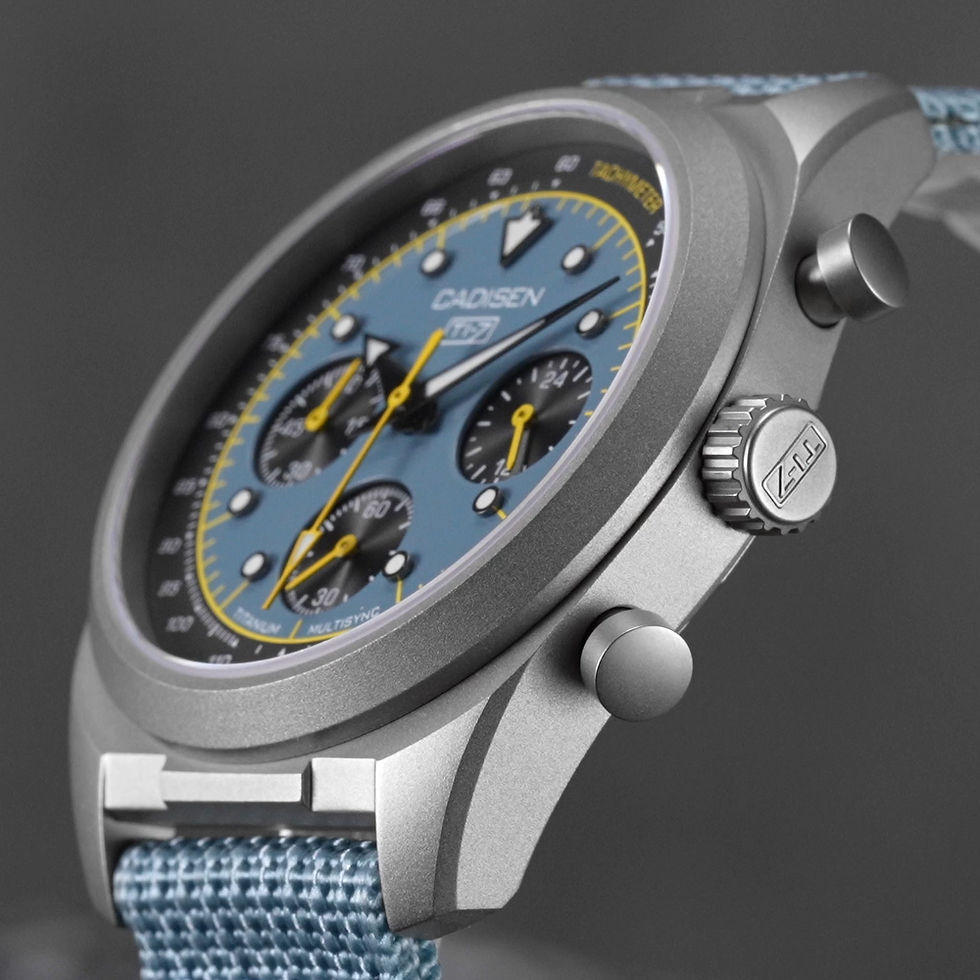
It is tempting to look at cheap Chinese homage brands (like Pagani Design, Addiesdive, or SKMEI) that copy iconic designs from Swiss and Japanese heavyweights. While their specs on paper might seem attractive for the price, homage watches fall short on true horological value.
Watchmaking is an art of engineering, originality, and design heritage. Wearing a watch that merely mimics an established icon signals that you care about appearance and status rather than true craftsmanship. True enthusiasts respect an original Seiko, Citizen, or Orient far more than an inexpensive copy of a Submariner or Speedmaster.
4. Know the Difference: Luxury vs. Haute Horlogerie
As you build your knowledge, you will learn to distinguish between commercial luxury and true high horology (Haute Horlogerie).
Luxury Essentials: Brands like Rolex, Omega, TAG Heuer, Breitling, and IWC produce outstanding, reliable, and highly sought-after luxury timepieces.
Ultra-Luxury / Haute Horlogerie: Brands like Patek Philippe, Vacheron Constantin, Audemars Piguet, A. Lange & Söhne, H. Moser & Cie., F.P. Journe, Parmigiani Fleurier, and Piaget operate on a completely different level. Here, you are paying for hand-finished movement components, anglage (beveling), complications like tourbillons and minute repeaters, and extreme rarity.
Understanding where a brand sits in the horological hierarchy ensures you make informed choices, regardless of your budget.
5. The Pre-Owned Online Checklist: How to Buy Safely
When buying used or vintage watches online, safety and diligence are critical. Use this practical checklist before clicking "Buy Now":
Buy the Seller First: Look for specialized dealers or private sellers with clear contact info, physical locations, active social presence, and verifiable buyer reviews. Transparency is your best safety net.
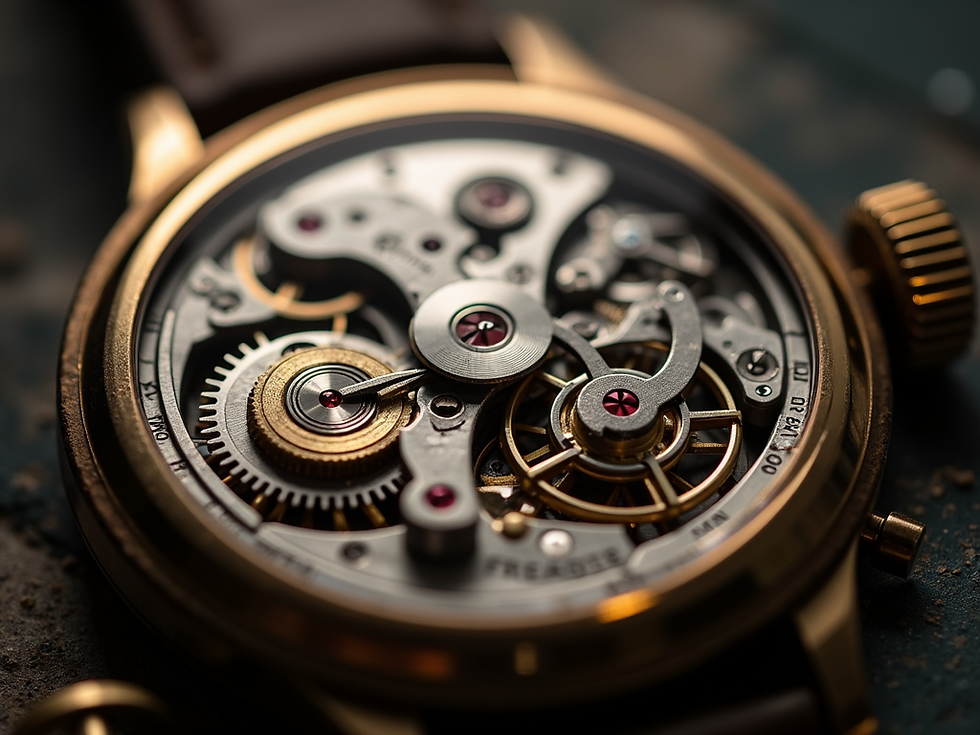
Demand Unfiltered Photography: Ensure you inspect high-resolution photos of the dial, caseback, lugs, crown, bracelet stretch, and—crucially—the movement calibre. Be wary of studio renders or heavily filtered images that hide scratches or polished-down case lines.
Inspect the Details Like a Watchmaker: Read the description carefully. Are the hands, dial, and crown original? Has the case been over-polished, ruining its original bevels and crisp factory lines?
Check Service History & Warranty: Mechanical movements require regular lubrication and servicing. Ask when the calibre was last overhauled and whether the seller offers a guarantee. A slightly higher price for a fully serviced watch with a warranty often saves you money in the long run.
Final Thoughts
A great watch collection isn't built on price tags or trends—it’s built on intentionality, history, and engineering appreciation. Skip the superficial fashion pieces, respect original design, perform your due diligence on pre-owned buys, and collect pieces that tell a story on your wrist.

Comments